
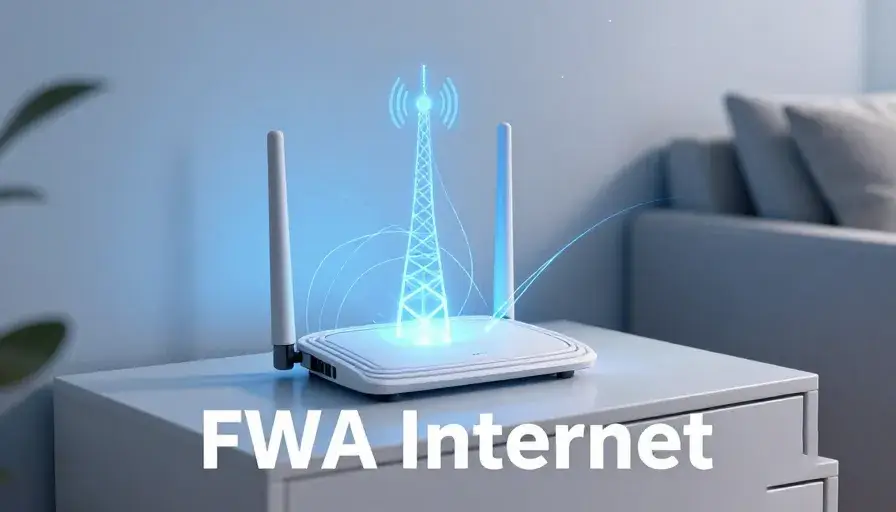
As internet usage at home continues to grow—whether for work, online learning, streaming, or gaming—not everyone has access to wired connections like fiber optics. In many areas, infrastructure limitations make traditional broadband difficult to install.
That’s where Fixed Wireless Access (FWA) comes in—a practical, cable-free internet solution that’s becoming increasingly popular.
What Is Fixed Wireless Access (FWA)?
Fixed Wireless Access (FWA) is a broadband internet service that uses wireless technology instead of physical cables.
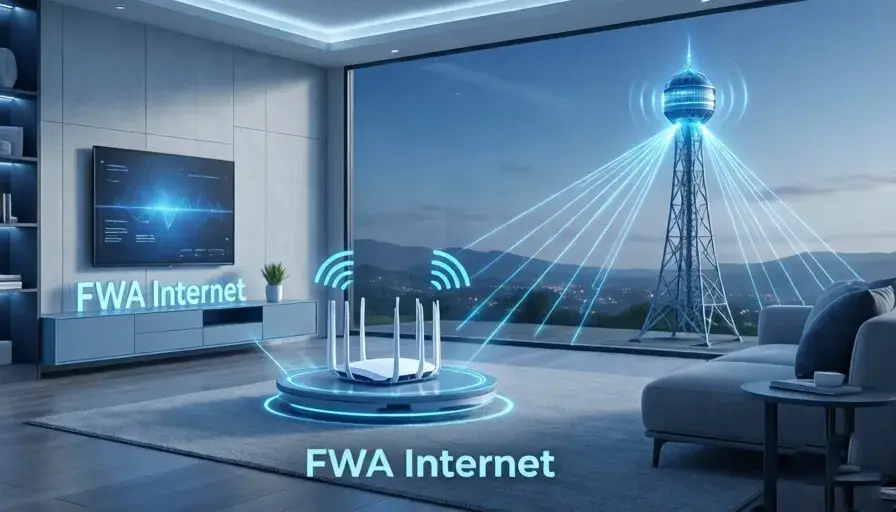
Instead of relying on fiber or copper lines, FWA uses radio signals transmitted from a Base Transceiver Station (BTS) to connect users to the internet.
Here’s how it works:
- A nearby BTS sends out a wireless signal
- The signal is received by a modem or router at your home
- The device converts it into WiFi
- You connect your devices (phones, laptops, smart TVs) to the network
Because there’s no need for cable installation, setup is much faster and simpler.
A Brief History of FWA
FWA isn’t entirely new. It started as a wireless alternative to fixed-line telephone systems, especially in areas where laying cables wasn’t feasible.
As mobile networks evolved:
- 3G and 4G made FWA more accessible and practical
- 5G technology has taken it even further, offering faster speeds and more stable connections
Today, FWA can deliver speeds of up to 100 Mbps or more, with lower latency—making it suitable for modern digital needs.
Key Benefits of FWA for Home Internet
FWA is gaining attention because of its flexibility and ease of use. Here are some of its main advantages:
1. Quick and Easy Installation
No cables, no complicated setup. You can get connected in a short time.
2. Works in More Locations
FWA is ideal for rural or underserved areas where fiber internet isn’t available.
3. Simple Equipment (Plug-and-Play)
All you need is a compatible modem or router—just plug it in and you’re ready to go.
4. Large or Unlimited Data Options
Many providers offer generous or unlimited data plans, making it suitable for heavy usage like streaming and gaming.
FWA vs Fiber Optic Internet: What’s the Difference?
Before choosing, it’s important to understand how FWA compares to fiber internet.
| Aspect | Fixed Wireless Access (FWA) | Fiber Optic |
|---|---|---|
| Technology | Wireless (radio signals from BTS) | Fiber optic cables |
| Installation | Fast and simple | More complex (requires cable installation) |
| Availability | Ideal for areas with limited infrastructure | Common in urban areas |
| Flexibility | Easy to relocate | Fixed installation |
| Stability | Depends on signal strength | Generally more stable |
Is FWA Good for Gaming and Streaming?
Yes—modern FWA, especially with 5G support, can handle:
- Online gaming with low latency
- Video calls and remote work
- Streaming in HD or even 4K
However, performance may vary depending on signal quality and network congestion.
Why Choose FWA for Home Internet?
FWA is a strong alternative if you:
- Live in an area without fiber access
- Want a faster installation process
- Prefer a flexible, wireless setup
With continuous improvements in wireless technology, FWA is becoming a reliable option for everyday internet use.
Final Thoughts
Fixed Wireless Access offers a practical solution for modern internet needs—especially in areas where traditional wired connections fall short. It combines convenience, flexibility, and improving performance into one package.
As technology continues to evolve, FWA is likely to play a bigger role in expanding internet access worldwide.
Frequently Asked Questions (FAQ)
1. What does FWA stand for?
FWA stands for Fixed Wireless Access, a type of internet connection that uses wireless signals instead of cables.
2. Is FWA better than fiber internet?
Not necessarily. Fiber is generally faster and more stable, but FWA is more flexible and easier to install—especially in areas without fiber coverage.
3. Do I need special equipment for FWA?
Yes, you’ll need a compatible modem or router provided by your internet service provider.
4. Can FWA be used for gaming?
Yes. With modern networks like 5G, FWA can support online gaming with relatively low latency.
5. Is FWA available everywhere?
FWA is widely available but depends on network coverage. It’s especially useful in rural or underserved areas.