
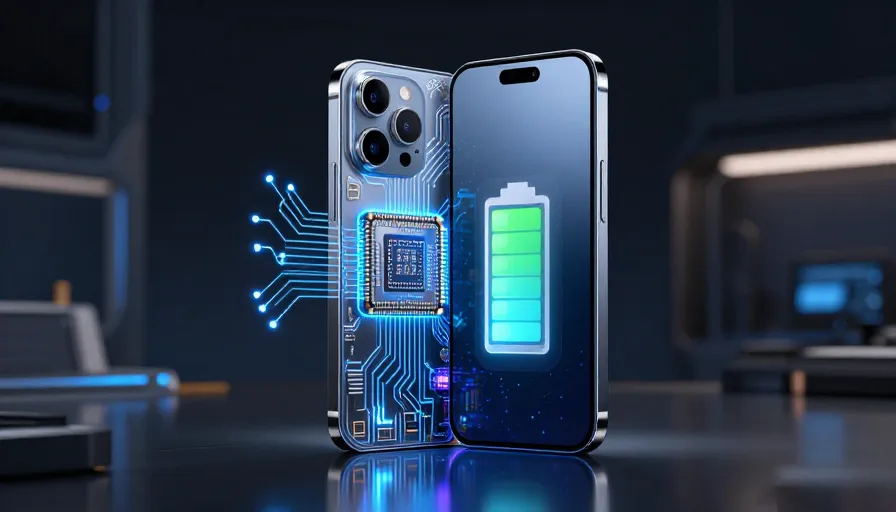
The modern consumer relationship with mobile technology is undergoing a deep, structural shift. For over a decade, consumer behavior was dictated by a predictable, rhythmic cadence: the two-year upgrade cycle. Driven by carrier subsidies, rapid year-over-year gains in silicon performance, and the psychological pull of incremental design changes, users routinely discarded functional hardware in pursuit of the latest flagship model.
In 2026, that paradigm is officially obsolete. A convergence of macroeconomic pressures, supply chain volatility, engineering breakthroughs, and shifting software developer priorities has turned mobile hardware into a long-term investment.
Understanding how long a smartphone truly lasts requires moving past surface-level specifications. It demands a close look at the interplay between component degradation, software maintenance, global silicon economics, and the financial reality of repairing versus replacing your tech.
The Macroeconomic Catalysts of Extended Ownership
The shift toward longer smartphone ownership is not merely a change in consumer preference; it is a rational response to structural changes in the global technology sector. Two primary forces define this landscape: the escalating pricing of premium tier hardware and an unprecedented supply chain crisis.
[GLOBAL SMARTPHONE OUTLAY PROFILE]
───────────────────────────────────────────────────────────────────────────
2022 Average Premium Outlay : ██████████████░░░░░ $800
2024 Average Premium Outlay : █████████████████░░ $950
2026 Average Premium Outlay : ████████████████████ $1,100+ (Structural Shift)
The $1,100 Baseline and the AI Component Premium
The financial barrier to entry for flagship devices has risen significantly. The baseline cost for an uncompromised, top-tier device from market leaders like Apple, Samsung, or Google frequently exceeds $1,100.
This upward trend is driven by what supply chain analysts call the “AI Component Premium.” As on-device artificial intelligence shifts from a marketing buzzword to a core system framework, manufacturing requirements have grown increasingly demanding.
To run complex, on-device neural networks without relying constantly on cloud servers, modern smartphones require highly specialized internals. They need advanced Neural Processing Units (NPUs), complex multi-layered cooling systems, and expansive memory pools.
The Component Crunch
Compounding these design challenges is a persistent global crunch on essential memory components. Driven by massive corporate investments in enterprise AI data centers, the global supply of high-speed LPDDR5X RAM and flash storage modules has been heavily constrained.
According to market research trackers from firms like IDC, this intense demand has driven the Average Selling Price (ASP) of smartphones up to record highs. Because manufacturers face structurally higher bills of materials, these elevated costs are being passed directly to the consumer.
The result is a shrinking ultra-budget market and a luxury-tier flagship market. This financial reality forces consumers to treat their devices like long-term investments rather than disposable consumer goods.
The Software Horizon: Evaluating Long-Term System Viability
Historically, the effective lifespan of an Android or iOS device was abruptly cut short by software abandonment. A device with perfectly functional glass, silicon, and aluminum would quickly become a security risk or lose app compatibility simply because the manufacturer stopped providing updates. In 2026, this landscape looks completely different.
                      [OFFICIAL VENDOR SUPPORT WINDOWS]
                                     │
       +─────────────────────────────┼─────────────────────────────+
       │                             │                             │
 [ iOS Platform Baseline ]     [ Enterprise Android Tier ]   [ Historical Legacy Tier ]
 - Apple Ecosystem             - Google Pixel Lineup         - Legacy Devices (Pre-2023)
 - 5 to 7 Years OS Tracking    - 7 to 8 Years OS Lifecycle   - 2 to 3 Year Abandonment
 - Security Fallbacks Provided - Unified Feature Deployments - Fragmented Patch Status
The 7-Year Android Commitment
The competitive landscape shifted dramatically when Google committed to providing seven full years of operating system upgrades, security patches, and pixel feature drops starting with its modern flagship portfolios. Samsung quickly matched this timeline across its Galaxy S series, and Qualcomm expanded its architecture support to offer up to eight years of operational maintenance on its premium Snapdragon system-on-chip (SoC) lines.
This means a flagship device purchased today is officially engineered to remain software-viable well into the 2030s.
However, this extended lifecycle introduces a new wrinkle: Feature Fragmentation. While an older phone will receive essential security patches to protect against digital threats, it may lack the hardware muscle to run new, system-level features.
For example, a security patch will install effortlessly on an older device, but advanced contextual AI tools might require a hardware-level memory bandwidth that older silicon simply cannot provide. Therefore, your phone will remain secure, but it will gradually miss out on the latest software capabilities.
The iOS Trajectory
Apple’s approach to software longevity relies on deep hardware-software optimization. The upcoming iOS 27 ecosystem maintains software compatibility for devices stretching back over half a decade.
Apple’s silicon design philosophy relies on massive single-core processing reserves. This hardware overhead allows older chips to handle the performance demands of newer operating systems long after their release.
Additionally, regulatory shifts, such as the UK’s Product Security and Telecommunications Infrastructure (PSTI) requirements, have forced tech companies to publicly declare minimum security support windows. This has brought much-needed transparency to an industry long plagued by vague update timelines.
Battery Chemistry and the Physics of Aging
While software support can theoretically extend a device’s life for seven years, the physical laws of lithium-ion battery chemistry present a tough bottleneck. Every smartphone, regardless of price or brand, relies on a power source that begins to degrade the moment it leaves the factory floor.
                  [LITHIUM-ION CAPACITY RETENTION CURVE]
  100% Capacity ├──────────────────────────┐
                │                          │
   80% Capacity ├──────────────────────────┼──────────────┐ [Performance Degradation Boundary]
                │                          │              │
   60% Capacity ├──────────────────────────┴──────────────┴───────────┐
                ┼──────────────────────────┼──────────────┼───────────┤
              0 Cycles                 500 Cycles     1000 Cycles   1500 Cycles
The Mechanics of Anode Degradation
The typical smartphone battery uses a lithium-ion or lithium-polymer design engineered to retain roughly 80% of its initial maximum capacity after 500 complete charge cycles. In practical terms, for an average user who charges their phone once a day, this threshold is reached between months 24 and 36.
This degradation is caused by unavoidable chemical changes within the battery. As lithium ions move back and forth between the cathode and anode during daily use, microscopic structural changes occur within the cell.
Over time, this results in the formation of a Solid Electrolyte Interphase (SEI) layer on the anode, which traps free lithium ions and prevents them from storing energy. This reduces the battery’s total capacity and increases its internal resistance, making it harder for the cell to deliver stable power.
Advanced Anodes and Silicon-Carbon Chemistry
To push past these limits, high-end smartphone engineering has turned to silicon-carbon anode chemistry. Traditional batteries use pure graphite anodes, which are structurally stable but limited in how much energy they can hold.
By blending silicon into the carbon structure, newer batteries can pack significantly higher energy density into thin, lightweight phone frames. This breakthrough allows compact, premium devices to house high-capacity batteries (ranging from 5,500mAh to 6,000mAh) that can comfortably last through two full days of typical use.
+───────────────────────────┬─────────────────────────────────────────────────────────+
│ Thermal Stress Agent      │ Structural Impact on Battery Cells                      │
+───────────────────────────┼─────────────────────────────────────────────────────────+
│ Ambient Heat (>35°C)      │ Accelerates side chemical reactions, permanently        │
│                           │ reducing the available lithium ions.                     │
+───────────────────────────┼─────────────────────────────────────────────────────────+
│ High-Wattage Charging     │ Generates intense internal heat, causing physical       │
│ Under Load                │ stress and micro-cracks in the anode structure.         │
+───────────────────────────┼─────────────────────────────────────────────────────────+
Thermal Management and User Habits
The absolute biggest threat to battery longevity is heat. Exposing a lithium-ion battery to ambient temperatures above 35°C (95°F) permanently damages its chemistry and accelerates capacity loss.
The worst-case scenario for a battery is heavy usage—like 3D gaming or recording high-resolution video—while plugged into a high-wattage fast charger. This creates a double layer of heat, forcing the battery to absorb high electrical current while dealing with the intense thermal energy generated by the phone’s processor.
To maximize battery lifespan, modern software includes smart charging features. These tools analyze your daily routine and pause charging at 80% overnight, only topping off the final 20% right before you typically wake up. This significantly reduces the amount of time the battery spends sitting under high electrical stress.
The Repair vs. Replace Dilemma: The 50% Financial Rule
Eventually, every long-term smartphone owner faces a critical decision point: when an aging battery drops below the 80% health mark, or an accidental drop shatters the screen, should you fix the device or buy a new one? Making this decision requires a calculated look at the device’s remaining economic value.
                                [THE 50% REPAIR ROI THRESHOLD]

  [ Certified Repair Cost ] ──────────────────────────► $250
                                                      ▲
                                                      │ (Equilibrium Point)
                                                      ▼
  [ 50% Current Resale Value ] ───────────────────────► $250 (Market Asset Value: $500)

  * Action Directive: If Repair Cost exceeds this line, capital should be routed to replacement.
Assessing Component Repair Value
To make an informed decision, use the 50% Financial Rule. If a certified, out-of-warranty repair cost exceeds half of the phone’s current market value on the resale market, your money is better spent toward a replacement.
Consider the typical costs for out-of-warranty repairs at an authorized service center:
-
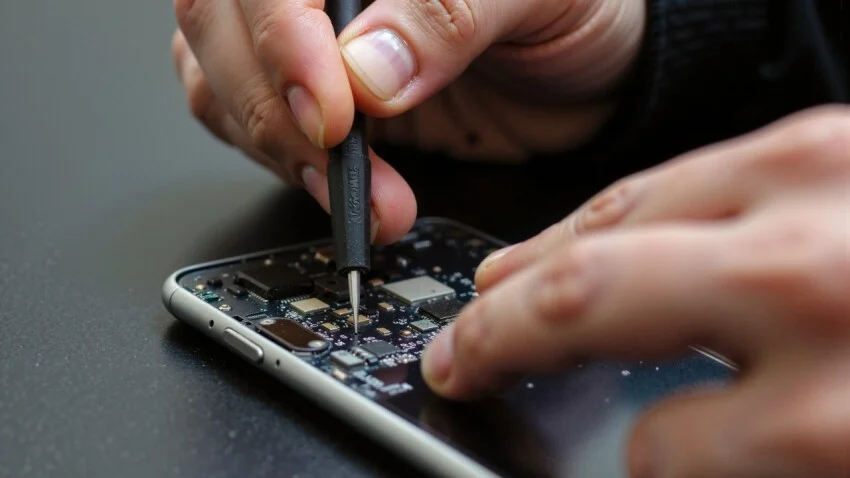
Battery Replacements: Generally range from $40 to $150. This is one of the most cost-effective investments you can make. Spending $100 to replace the battery on a three-year-old flagship with excellent internal specs can easily extend its operational life for another two to three years.
-
Screen Replacements: Can be incredibly expensive, running anywhere from $80 to $350+. High-end displays feature premium components like flexible AMOLED glass, high refresh-rate controllers, and integrated digitization layers, which significantly drive up the cost of replacement parts.
Right to Repair and Modular Architectures
The financial math behind hardware repairs is changing for the better, thanks to the expanding Right to Repair movement. New consumer protection laws and stricter environmental regulations have forced tech companies to change how they design and support their products.
Manufacturers are moving away from heavily glued, unfixable designs in favor of modular internal layouts. This shift makes it much easier for independent repair shops—and tech-savvy consumers—to access and swap out common failure points like USB-C charging ports, headphone jacks, and battery cells without damaging the rest of the device.
Additionally, major brands now offer public access to official diagnostic software, specialized calibration tools, and genuine factory parts. This open ecosystem lowers repair costs across the board, reducing electronic waste and making it much easier to keep your device running for years.
Architectural Obsolescence: Silicon, RAM, and the AI Divide
Beyond physical damage and battery wear, a smartphone can face a quieter, more frustrating end: architectural obsolescence. This happens when the phone’s processor and memory layout can no longer keep up with the demands of modern software.
===========================================================================
[ARCHITECTURAL HARDWARE REQUIREMENTS]
───────────────────────────────────────────────────────────────────────────
* 2022 System Baseline : 6GB - 8GB LPDDR4X  │ Standard Application Execution
* 2026 System Baseline : 12GB - 16GB LPDDR5X │ On-Device Neural Processing
===========================================================================
The RAM Paradigm Shift
The rapid rise of on-device generative AI has completely rewritten system memory requirements. For years, 6GB to 8GB of RAM was more than enough to handle multi-tasking and everyday apps on standard operating systems.
Today, running large language models (LLMs) locally on a device requires a permanent, dedicated chunk of system memory just to keep the AI active and responsive in the background.
Because of this, modern operating systems are incredibly memory-hungry. Devices with limited RAM will feel the squeeze first.
When system memory runs low, the operating system is forced to aggressively close background apps to free up resources. This leads to a frustrating user experience where web browser tabs constantly reload, apps restart when you switch away from them, and the entire user interface stutters.
Silicon Efficiency and Heat Control
Modern system-on-chip architectures—built on advanced 3-nanometer (3nm) and 2-nanometer (2nm) manufacturing processes—offer massive improvements in thermal efficiency. These tiny, hyper-efficient transistor designs allow modern processors to handle heavy compute workloads using a fraction of the electrical power required by older chips.
[PROCESSOR THERMAL PROFILE AT MAXIMUM COMPUTE LOAD]
───────────────────────────────────────────────────────────────────────────
Legacy 7nm Architecture  : ████████████████████ Thermal Throttling Triggered
Modern 2nm Architecture  : ██████████░░░░░░░░░░ Stable Thermal Equilibrium
Older chips built on legacy 5nm or 7nm processes have to work much harder to process modern software. This constant, heavy workload generates significant internal heat, forcing the device to throttle its performance to cool down.
The result is a noticeable, systemic slowdown. The phone runs hot, the interface lags, and the battery drains rapidly—all because the aging silicon is being pushed far past its original design limits.
The Lifecycle Matrix: A Strategic Blueprint
To maximize the value of your mobile hardware investment, you need a clear, long-term plan. This timeline outlines the key maintenance steps and financial milestones over a typical six-year ownership cycle:
  [ THE COMPREHENSIVE SMARTPHONE LIFECYCLE CHRONOLOGY ]

  YEARS 1 - 2: THE OPERATIONAL APEX
  ├── Optimize software charging safeguards to limit thermal wear
  └── Maintain clean local storage by offloading large media to cloud arrays

  YEARS 3 - 4: THE PHYSICAL INFLECTION POINT
  ├── Audit battery capacity; swap out cells if maximum health drops under 80%
  └── Clean out the USB-C port and speaker grilles to prevent hardware strain

  YEARS 5 - 6: THE RETIREMENT EVALUATION
  ├── Evaluate component repair costs using the 50% Financial Rule
  └── Plan an upgrade path once security support ends or hardware fails
Years 1 to 2: Maximizing System Efficiency
During the first two years, your phone is at peak performance. Your main goal is prevention and optimization.
-
Turn on all built-in battery protection settings to minimize long-term chemical wear.
-
Keep your storage clean. Running a phone with completely full storage slows down read/write speeds, putting unnecessary strain on the device’s flash storage chips. Keep at least 15% of your local storage free to ensure optimal performance.
Years 3 to 4: Handling the Mid-Life Slump
This is when your phone will start showing its age. Your battery health will likely dip below the critical 80% mark around this time.
-
Do not hesitate to invest in a professional battery replacement. A double-digit investment here will instantly restore your phone’s original all-day battery life and prevent the system from throttling your performance.
-
Take a moment to carefully clean out physical debris—like pocket lint and dust—from your USB-C charging port and speaker grilles to keep everything working smoothly.
Years 5 to 6: The Long-Term Choice
By year five or six, your phone enters its final phase. This is when you need to closely weigh the cost of any new repairs against the actual resale value of the device.
-
If your phone suffers major hardware damage at this stage, it rarely makes financial sense to fix it.
-
Once your manufacturer stops providing official security updates, or your internal memory can no longer handle modern app updates, it is time to responsibly recycle the device and upgrade to a new model.
Conclusion: The Sustainable Future of Personal Tech
The death of the two-year upgrade cycle is a major win for consumers and a massive step forward for environmental sustainability. Modern smartphones are no longer disposable tech gadgets; they are highly advanced, long-lasting computers built to deliver excellent performance for over half a decade.
By understanding your device’s software update timeline, protecting your battery from extreme heat, and using clear financial rules to handle repairs, you can get maximum value out of your technology. Taking a smart, deliberate approach to managing your phone’s lifespan saves you money and directly helps reduce electronic waste, paving the way for a more sustainable tech industry.
FAQ
1. Why are people keeping their smartphones longer in 2026?
Consumers are extending smartphone ownership because modern devices have become significantly more expensive while delivering smaller year-over-year performance improvements. Premium smartphones now frequently cost over $1,100, making them long-term investments rather than disposable gadgets. At the same time, improved software support, better hardware durability, and enhanced repairability allow phones to remain useful for five to seven years or more.
2. What caused the death of the traditional two-year smartphone upgrade cycle?
The traditional two-year upgrade cycle has largely disappeared due to several factors. Rising smartphone prices, global supply chain challenges, longer software support commitments, improved processor performance, and consumer awareness about sustainability have all contributed. Modern smartphones are powerful enough to remain functional for many years, reducing the need for frequent upgrades.
3. Why have flagship smartphone prices increased so dramatically?
Flagship smartphone prices have increased because manufacturers must invest in advanced AI hardware, specialized neural processing units (NPUs), larger memory capacities, improved cooling systems, and more complex manufacturing processes. Additionally, high demand for memory components used in AI data centers has increased production costs, which are ultimately passed on to consumers.
4. What is the AI Component Premium?
The AI Component Premium refers to the additional manufacturing cost associated with integrating advanced artificial intelligence capabilities directly into smartphones. Modern devices require dedicated AI processors, larger RAM capacities, faster storage, and sophisticated thermal management systems to run AI features locally without relying entirely on cloud computing.
5. How long can a modern smartphone realistically last?
A modern flagship smartphone can realistically last between five and eight years if properly maintained. Software support from manufacturers now often extends for seven years or longer, while battery replacements and routine maintenance can keep hardware functioning efficiently throughout that period.
6. What role does software support play in smartphone longevity?
Software support is one of the most important factors affecting smartphone lifespan. Even if hardware remains functional, devices become vulnerable to security threats and compatibility issues when updates stop. Long-term support ensures continued security patches, operating system upgrades, bug fixes, and compatibility with modern applications.
7. How many years of software updates do modern smartphones receive?
Many premium Android devices now receive seven years of operating system updates and security patches. Some Snapdragon-powered devices may receive support for up to eight years. Apple devices generally receive five to seven years of software support, depending on the model and hardware capabilities.
8. What is feature fragmentation in older smartphones?
Feature fragmentation occurs when older smartphones continue receiving security updates but cannot support newer software features due to hardware limitations. While the device remains secure, advanced AI tools, machine learning functions, and resource-intensive applications may not be available because the older hardware lacks sufficient processing power or memory.
9. Why do smartphone batteries degrade over time?
Battery degradation occurs because lithium-ion cells undergo chemical changes during charging and discharging cycles. Over time, lithium ions become trapped within the battery structure, reducing energy storage capacity and increasing internal resistance. This process is unavoidable and affects all rechargeable smartphone batteries.
10. When does battery degradation become noticeable?
Battery degradation typically becomes noticeable after approximately 500 full charge cycles. For most users, this occurs between two and three years of ownership. At this point, battery health often falls below 80% of its original capacity, resulting in shorter battery life and potential performance throttling.
11. What is the 80% battery health threshold?
The 80% battery health threshold is commonly considered the point at which battery degradation begins to significantly impact user experience. Below this level, users may experience shorter battery life, unexpected shutdowns, slower charging behavior, and reduced performance due to power management systems.
12. How does heat affect smartphone battery lifespan?
Heat is one of the most damaging factors affecting battery health. Temperatures above 35°C (95°F) accelerate chemical degradation inside lithium-ion cells, permanently reducing capacity. Repeated exposure to heat can significantly shorten a battery’s usable lifespan.
13. Is fast charging harmful to battery longevity?
Fast charging itself is not inherently harmful, but excessive heat generated during high-wattage charging can accelerate battery wear. The risk increases when users simultaneously perform demanding activities such as gaming, video recording, or video editing while charging.
14. What are silicon-carbon batteries and why are they important?
Silicon-carbon batteries use silicon-enhanced anodes instead of relying entirely on traditional graphite. This technology significantly increases energy density, allowing manufacturers to install larger batteries without increasing device size. As a result, smartphones can achieve longer battery life while maintaining slim and lightweight designs.
15. What are the best practices for extending battery lifespan?
Users should avoid prolonged exposure to high temperatures, enable optimized charging features, avoid frequent full discharges, minimize heavy workloads while charging, and use manufacturer-approved chargers. These practices help slow battery degradation and maintain capacity for longer periods.
16. What is the 50% Financial Rule for smartphone repairs?
The 50% Financial Rule states that if a repair costs more than half of the device’s current resale value, replacing the phone is often the better financial decision. This guideline helps consumers evaluate whether repairs provide reasonable return on investment.
17. When is battery replacement worth it?
Battery replacement is almost always worthwhile if the device remains powerful and receives software updates. Spending $40 to $150 on a battery replacement can restore all-day battery life and extend a smartphone’s usefulness by several years.
18. Why are screen replacements so expensive?
Modern smartphone displays incorporate advanced technologies such as AMOLED panels, high refresh rates, integrated touch digitizers, under-display components, and premium protective glass. These sophisticated assemblies significantly increase replacement costs.
19. How does the Right to Repair movement benefit smartphone owners?
The Right to Repair movement promotes access to replacement parts, repair manuals, diagnostic software, and service tools. This makes repairs more affordable, increases competition among repair providers, reduces electronic waste, and extends device lifespan.
20. What is architectural obsolescence?
Architectural obsolescence occurs when a smartphone’s processor, memory configuration, or hardware architecture can no longer efficiently support modern software requirements. Even if the hardware still functions physically, performance may become inadequate for current applications and operating systems.
21. Why is RAM becoming increasingly important in smartphones?
Modern AI-powered operating systems and applications require significantly more memory than traditional software. Features such as on-device language models, AI assistants, advanced multitasking, and real-time processing consume large amounts of RAM, making higher memory capacities increasingly important.
22. How much RAM is considered future-proof in 2026?
For long-term usability, 12GB to 16GB of LPDDR5X RAM is generally considered the modern baseline for future-proof smartphones. This capacity supports AI features, multitasking, and evolving software requirements more effectively than older 6GB or 8GB configurations.
23. How do modern chip manufacturing processes improve smartphone lifespan?
Advanced manufacturing processes such as 3nm and 2nm technology improve power efficiency, reduce heat generation, and increase performance per watt. These benefits help smartphones maintain responsiveness while preserving battery life and minimizing thermal stress over time.
24. What maintenance should smartphone owners perform during years three and four?
During years three and four, users should monitor battery health, consider battery replacement if capacity falls below 80%, clean charging ports and speaker grilles, manage storage capacity, and ensure software remains updated.
25. When should consumers finally replace their smartphones?
Replacement becomes reasonable when software support ends, repair costs exceed the device’s remaining value, battery replacement is no longer economical, performance becomes inadequate for daily tasks, or hardware failures significantly impact usability.