
In the upper-mid-range smartphone segment, manufacturers often make bold marketing claims to differentiate their devices. Xiaomi’s latest promotional campaign for the 17T and 17T Pro states that “Nothing in its class comes close,” boldly branding the pair as “The Telephoto Master.” Positioned directly beneath the flagship Xiaomi 17 and Xiaomi 17 Ultra, this sub-flagship line attempts to deliver enthusiast-grade camera performance at a more accessible price point.
               UPPER-MID-RANGE TELEPHOTO HARDWARE MATRIX
  ┌────────────────────────────────────────────────────────────────────────┐
  │ Xiaomi 17T / 17T Pro ──► 50MP Sensor + 5x Optical Zoom (115mm Equiv.)  │
  ├────────────────────────────────────────────────────────────────────────┤
  │ OnePlus 15           ──► 50MP Sensor + Lower Native Optical Reach      │
  ├────────────────────────────────────────────────────────────────────────┤
  │ Honor 600 Pro        ──► 50MP Sensor + Lower Native Optical Reach      │
  └────────────────────────────────────────────────────────────────────────┘
While competitors like the OnePlus 15 and Honor 600 Pro also feature high-resolution 50MP telephoto sensors in this price bracket, they fail to match the native 5x optical reach packed into the Xiaomi 17T Pro.
To evaluate whether this device truly earns its moniker or if it relies on software illusions, camera expert Axel Metz conducted an extensive 500-photo real-world field test throughout Vienna, Austria. This review provides an analytical deep dive into those findings, breaking down sensor performance, color science, software interventions, and portrait rendering.
Optical Hardware and the Leica Color Science Alliance
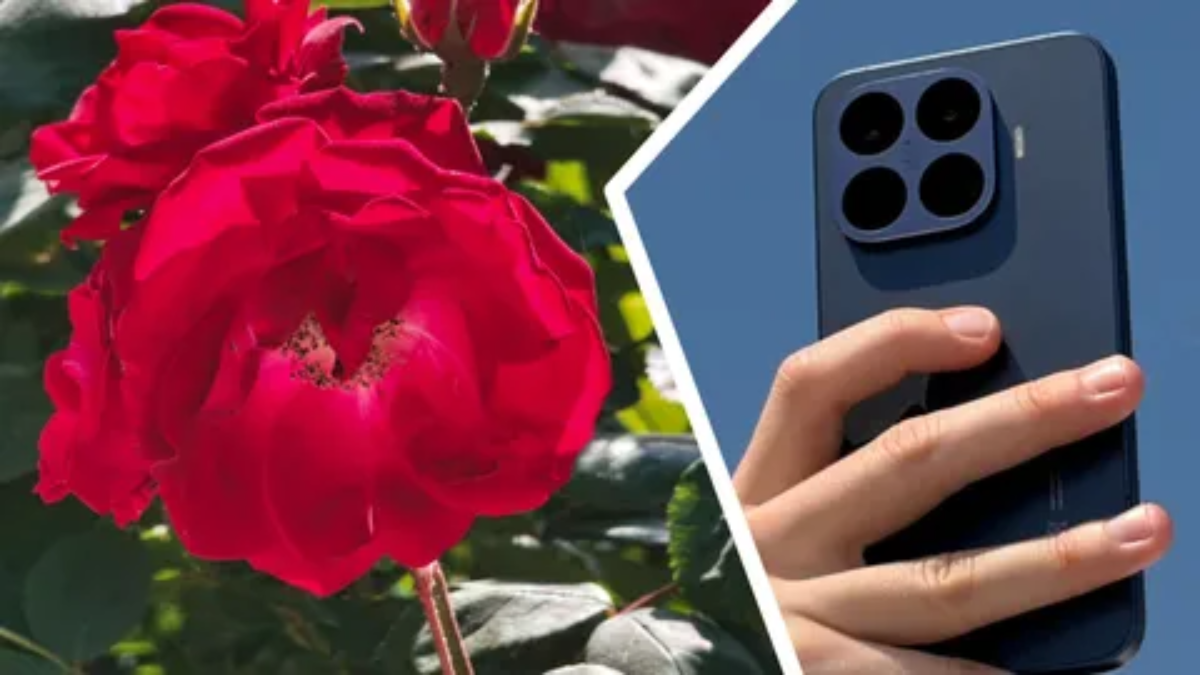
The standout feature of the Xiaomi 17T Pro’s camera system is its fixed 115mm-equivalent (5x) optical lens, backed by a high-density 50MP sensor. Unlike the baseline Xiaomi 15T from the previous generation—which maxed out at a meager 2x optical range—the 17T series normalizes premium long-range glass across both its standard and Pro tiers.
                 THE LEICA TUNING MATRIX (OUT-OF-THE-BOX)
                                    │
         ┌──────────────────────────┴──────────────────────────┐
         ▼                                                     ▼
   [ Leica Authentic Preset ]                             [ Leica Vibrant Preset ]
   • Natural micro-contrast rendering.                    • Aggressive color saturation.
   • Accurate tonal transitions.                          • High digital contrast look.
   • Excellent for street/architecture.                   • Can look overly artificial.
A core component of Xiaomi’s imaging strategy is its ongoing partnership with German camera legend Leica. The 17T Pro benefits from the exact same proprietary image-processing pipelines and color profiles found on the flagship Xiaomi 17 series.
Real-World Performance Under “Leica Authentic”
When shooting in the out-of-the-box Leica Authentic mode (avoiding the over-saturated Leica Vibrant preset), the 5x optical lens delivers excellent results in challenging environments. Real-world testing at locations like the Kunsthistorisches Museum and the Schönbrunn Palace gardens revealed several key strengths:
-
Optically Sharp Details: Textures on historical architecture and stone monuments maintain crisp, well-defined edges without the harsh look common in cheaper sensors.
-
Natural Color Gradations: The Leica color science handles complex light-to-shadow transitions elegantly, capturing vibrant floral hues and deep shadows without flattening the scene.
-
Deep Depth-of-Field Control: When capturing multi-layered urban environments, such as a pedestrian waiting at a Vienna crosswalk, the phone retains impressive structural detail across a deep plane of focus, rather than blurring out complex background layers.
Post-Processing Artifacts and AI Computational Intervention
No sub-flagship smartphone relies purely on raw optics; computational photography plays a massive role behind the scenes. While the Xiaomi 17T Pro handles Auto-HDR cleanly across high-dynamic-range displays, pixel-peeping the 5x image files reveals the clear thumbprint of aggressive AI software tuning.
                     COMPUTATIONAL POLISHING ARTIFACTS

  [ Raw Optical Data Capture ] ──► Aggressive Scene Reconstruction AI
                                              │
         ┌────────────────────────────────────┴────────────────────────────────────┐
         ▼                                                                         ▼
  [ Spatial Over-Smoothing ]                                                [ AI Text Reconstruction Errors ]
  Fine details (like distant brickwork)                                      Small background text gets garbled
  take on a flat, compressed texture.                                       as algorithms "guess" structural lines.
1. Spatial Over-Smoothing
When analyzing complex, repeating architectural patterns—such as the facade of the Neue Burg museum—Xiaomi’s noise-reduction algorithms occasionally overcorrect. This results in a subtle, unnatural smoothing artifact that can make distant stone buildings look as though they are wrapped in a fine mesh or protective netting.
2. Edge-Illumination Glow
In high-contrast landscape scenarios (e.g., bright skies filtering through dense tree branches), the HDR pipeline can sometimes create an unnatural, bright halo or “angelic glow” around object borders. This artifact stems from the software’s attempt to balance harsh backlighting against darker foreground elements.
3. AI Text Reconstruction Fails
The clearest indicator of computational guesswork shows up when zooming in on small background elements, like informational signposts in museum hallways. Rather than rendering blurry but organic pixels, the AI attempts to reconstruct the tiny text characters. This often results in slightly garbled, warped lettering—a hallmark of modern sub-flagship processing engines from Xiaomi, Oppo, and Honor.
Portrait Rendering and Edge Detection Analysis
Switching the device from standard photo modes to its specialized Master Portrait setting (which testers preferred over the standard Leica Portrait mode due to the latter’s tendency to overexpose skin tones) highlights the exceptional precision of Xiaomi’s depth-mapping algorithms.
                        PORTRAIT RENDER CRITERIA
 ┌────────────────────────────────────────────────────────────────────────┐
 │ 1. EDGE DETECTION     ──► Supreme accuracy across hair, beards, chins. │
 ├────────────────────────────────────────────────────────────────────────┤
 │ 2. BOKEH TRANSITION   ──► Seamless, organic falloff mimicking glass.    │
 ├────────────────────────────────────────────────────────────────────────┐
 │ 3. EXPOSURE BALANCING ──► Stable skin tones under Master Portrait mode. │
 └────────────────────────────────────────────────────────────────────────┘
The 115mm focal length is widely considered ideal for portraiture, as it offers natural compression that flatters human facial features. The 17T Pro maximizes this optical advantage with top-tier subject isolation:
-
Micro-Hair Isolation: When isolating street performers or candid subjects against busy city backdrops, the camera’s edge detection maps complex borders flawlessly. Loose beard hairs and fine chin lines are preserved cleanly without being swallowed by the background blur.
-
Organic Bokeh Falloff: The digital background blur (bokeh) avoids looking like a flat, uniform mask. Instead, it creates a smooth, gradual transition from sharp subject details to a soft background blur, beautifully mimicking the behavior of a professional, large-sensor mirrorless camera lens.
Sensor-Cropped Performance—The 10x Zoom Test
While the 17T Pro features a fixed 5x physical lens, the camera app provides a quick toggle for 10x zoom. At this range, the phone performs a intelligent sensor crop on the central pixels of the 50MP telephoto sensor.
                          10X SENSOR CROP PIPELINE
  [ 50MP Telephoto Sensor ] ──► Extract Center 12.5MP Cluster ──► AI Detail Smoothing
As expected, image files captured at 10x exhibit softer overall details than native 5x captures. However, the system manages to hold together remarkably well:
-
Tonal Consistency: The Leica color profiles and white balance remain perfectly consistent when jumping from 5x to 10x, ensuring that skies, foliage, and skin tones don’t unexpectedly shift mid-shoot.
-
Masked Softness: While fine details on distant subjects (like tourists walking in front of a palace) display noticeable digital smoothing upon close inspection, the images remain highly usable and clean at standard viewing distances.
Comparative Market Value Matrix
To see how the Xiaomi 17T Pro compares to standard market flagship alternatives, let’s look at it side-by-side with competing device tiers:
Conclusion: Does It Earn the “Telephoto Master” Title?
At £799 for the Pro model—and an even lower £649 for the identically equipped base 17T—Xiaomi’s aggressive claims hold up surprisingly well under close analysis. The device does not offer the absolute best wide or ultra-wide performance on the market, and its computational software leaves behind noticeable artifacts when you pixel-peep. True premium flagships like the Ultra series still provide more advanced manual features and superior auxiliary lenses for those willing to pay a steep premium.
                     FINAL CAMERA BENCHMARK SUMMARY
  [ Xiaomi 17T Pro ] ──► Unrivaled 5x optical value in the upper-mid-range market.
However, if your mobile photography style prioritizes telephoto street scenes, distant architecture, and compressed portraits, the Xiaomi 17T Pro offers unmatched value for money. By combining a true 5x optical lens with authentic Leica color processing, it delivers a high-end photography experience that leaves standard flagship models lacking.
FAQ (English)
1. What is the main camera highlight of the Xiaomi 17T Pro?
The standout feature is its 50MP telephoto camera with a native 5x optical zoom (115mm equivalent), offering impressive long-range photography and portrait capabilities.
2. Does the Xiaomi 17T Pro use Leica camera technology?
Yes. The phone benefits from Leica-tuned image processing, including Leica Authentic and Leica Vibrant color profiles that influence color rendering and contrast.
3. What is the difference between Leica Authentic and Leica Vibrant modes?
Leica Authentic focuses on natural colors, realistic contrast, and accurate tonal transitions, while Leica Vibrant increases saturation and contrast for a more dramatic look.
4. Is the 5x zoom optical or digital?
The 5x zoom is true optical zoom, using dedicated telephoto hardware rather than digital cropping.
5. How good is the Xiaomi 17T Pro for portrait photography?
The phone performs exceptionally well in portraits thanks to its 115mm-equivalent focal length, accurate edge detection, natural background blur, and strong subject separation.
6. Does the Xiaomi 17T Pro have a 10x zoom mode?
Yes. The device offers a 10x zoom option that uses sensor cropping from the 50MP telephoto camera combined with computational processing.
7. How does image quality compare at 5x and 10x zoom?
The native 5x zoom delivers sharper and more detailed results. At 10x, some softness and AI smoothing become visible, although images remain usable for everyday viewing.
8. Are there any camera weaknesses?
Yes. The camera occasionally exhibits over-smoothing, HDR halo effects around high-contrast subjects, and AI reconstruction artifacts in fine details or small text.
9. Is the Xiaomi 17T Pro better than the OnePlus 15 for telephoto photography?
Based on optical reach alone, the Xiaomi 17T Pro offers a stronger native telephoto system thanks to its 5x optical zoom lens.
10. Does the Xiaomi 17T Pro perform well in street photography?
Yes. Its telephoto lens, Leica color tuning, and strong detail retention make it particularly effective for street photography and urban architecture shots.
11. Is the Xiaomi 17T Pro suitable for travel photography?
Absolutely. The long optical zoom range helps capture distant landmarks, architecture, and candid scenes without sacrificing image quality.
12. How accurate are skin tones in portrait mode?
The Master Portrait mode generally produces more balanced and natural skin tones compared to the standard Leica Portrait mode, which may sometimes overexpose faces.
13. Does the Xiaomi 17T Pro offer flagship-level camera quality?
While it may not surpass premium ultra-flagship devices, it delivers near-flagship telephoto performance at a significantly lower price point.
14. Who should buy the Xiaomi 17T Pro?
It is an excellent choice for users who prioritize zoom photography, portraits, street photography, and Leica-style image rendering without paying flagship Ultra-series prices.
15. Is the Xiaomi 17T Pro worth buying for photography enthusiasts?
Yes. For photographers who value a dedicated 5x optical telephoto lens and strong portrait capabilities, the Xiaomi 17T Pro offers exceptional value in the upper-mid-range market.


