
Xiaomi’s legacy with its “T-Series” smartphone lineup has traditionally focused on a clear value proposition: delivering top-tier processing power and display metrics while trimming secondary luxury features (such as uniform multi-camera setups or wireless charging) to hit a highly competitive price point.
However, the Xiaomi 17T Pro signals a clear structural pivot for the brand. It doesn’t radically change its physical appearance compared to its immediate predecessor, the 15T Pro, but it brings notable upgrades to core hardware—introducing high-capacity silicon-carbon battery chemistry, next-generation silicon, and faster charging infrastructure.
                     XIAOMI T-SERIES PLATFORM PIVOT
  ┌────────────────────────────────────────────────────────────────────────┐
  │ HISTORIC SPECIFICATION TRACK ──► High performance / Cut luxuries       │
  ├────────────────────────────────────────────────────────────────────────┤
  │ 17T PRO ARCHITECTURE PROFILE ──► Entry flagship / High-spec parity    │
  └────────────────────────────────────────────────────────────────────────┘
This human-authored technical analysis evaluates the Xiaomi 17T Pro’s hardware stack, benchmarking its MediaTek architecture, exploring its Leica camera integrations, and calculating the value impacts of its recent price increase within the global smartphone ecosystem.
Silicon Architecture & Performance Benchmarking
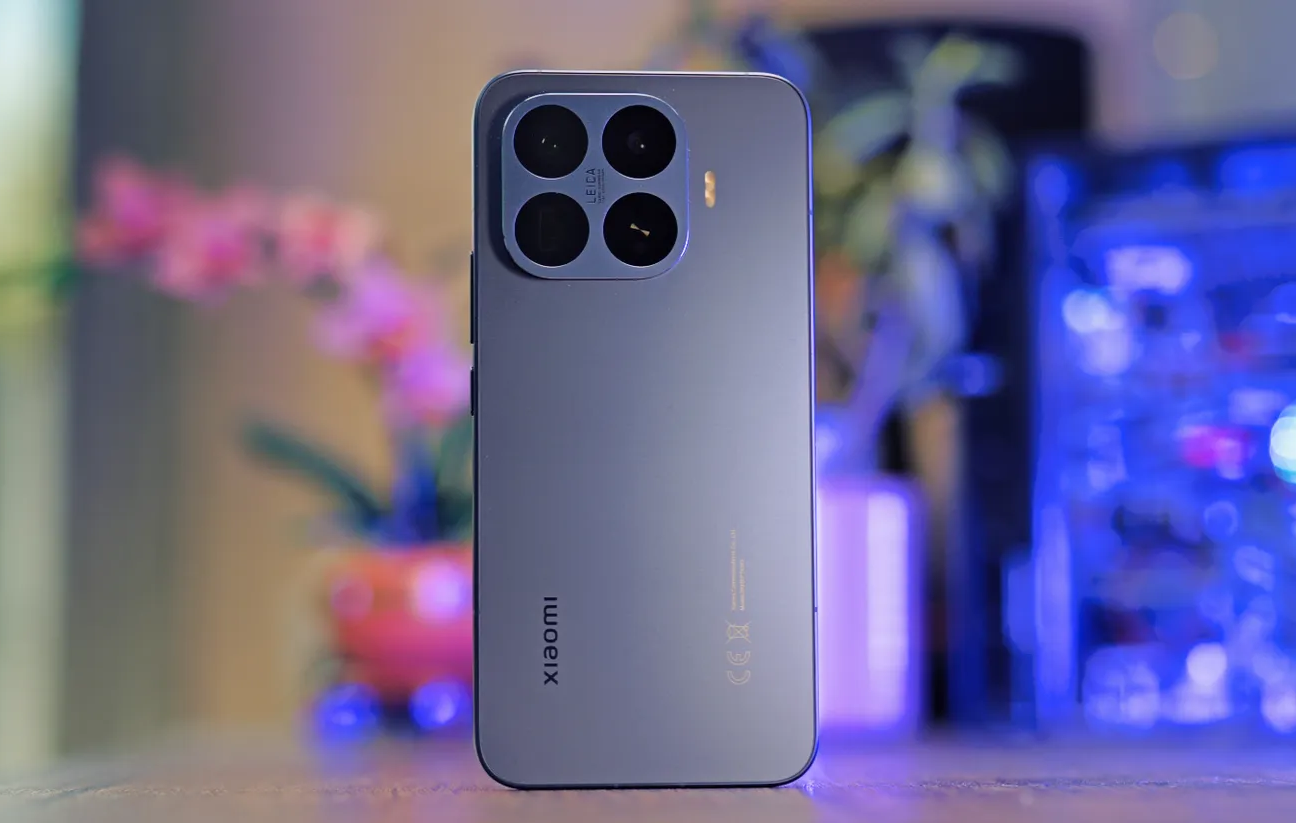
At the heart of the Xiaomi 17T Pro is the MediaTek Dimensity 9500 System-on-Chip (SoC). Built on a cutting-edge 3-nanometer processing node, this chipset marks a major evolutionary step, utilizing an “All Big Core” CPU cluster design that completely drops efficiency cores in favor of high-performance processing.
                 MEDIATEK DIMENSITY 9500 CORE ARCHITECTURE
  ┌────────────────────────────────────────────────────────────────────────┐
  │ ULTRA-CORES    ──► High-frequency Cortex-X performance nodes            │
  ├────────────────────────────────────────────────────────────────────────┤
  │ DOMINANT TIERS ──► Cortex-A series performance muscle                  │
  └────────────────────────────────────────────────────────────────────────┘
1. Thermal Management & Sustained Load Limits
During real-world stress testing using highly demanding, next-generation graphical engines like Neverness to Everness, the Dimensity 9500 maintains a locked, fluid 60 frames per second (fps) on a balanced visual preset.
Under sustained high-performance loads, the phone’s aluminum frame and internal vapor chamber actively draw heat away from the silicon die. While the external frame feels quite warm to the touch, this thermal dissipation successfully prevents sharp drop-offs in performance, keeping frame rates stable and comfortable for extended gaming sessions.
2. Physical Feedback & Audio Systems
-
Precision Haptics: The phone features an upgraded x-axis linear vibration motor that delivers crisp, highly accurate haptic feedback, vastly improving the typing and gaming experience compared to typical mid-range devices.
-
Acoustic Profiling: The stereo speaker array delivers impressive audio output, providing clear highs and surprisingly rich bass response for a smartphone in this class.
Section 2: Display Engineering & Visual Subsystems
The display of the Xiaomi 17T Pro is a standout feature, pairing highly smooth motion handling with built-in eye-protection technologies.
                  6.9-INCH FLAT OLED PANEL SUB-SYSTEM
  ┌────────────────────────────────────────────────────────────────────────┐
  │ MAXIMUM REFRESH CAP  ──► 144Hz Dynamically scaling variable refresh    │
  ├────────────────────────────────────────────────────────────────────────┤
  │ EYE-CARE MITIGATION  ──► 3,840Hz High-frequency PWM / DC Dimming       │
  └────────────────────────────────────────────────────────────────────────┘
1. Refresh Metrics & Power Optimization
The large 6.9-inch flat OLED panel boasts an ultra-smooth 144Hz refresh rate. To manage power consumption, the screen features dynamic scaling, automatically shifting down to 60Hz or 30Hz when viewing static text or video content. This flat glass design is highly practical, eliminating the accidental edge-touches and color distortions common to curved displays.
2. High-Frequency Dimming Control
For users sensitive to screen flicker at low brightness, the display incorporates an advanced 3,840Hz Pulse-Width Modulation (PWM) dimming cycle alongside DC dimming support. By operating at such a high frequency, the display significantly reduces eye strain and headaches during late-night reading sessions, even when dialed down to its minimum 1-nit output.
Camera Array & Leica Image Processing
Xiaomi continues its partnership with German optics specialist Leica, bringing its high-end color science and custom camera modes to this sub-flagship tier.
                     TRIPLE REAR SENSOR ARCHITECTURE
                                    │
         ┌──────────────────────────┼──────────────────────────┐
         ▼                          ▼                          ▼
   [ 50MP Main Lens ]      [ 50MP 5x Telephoto ]      [ 12MP Ultra-Wide ]
   • 1/1.3-inch Sensor     • Dedicated OIS            • Small 1/3.06" Sensor
   • Wide f/1.7 Aperture   • 30cm Macro Capability    • Fixed Focus / No AF
1. Primary and Telephoto Strengths
-
The Main Sensor: The 50MP main camera utilizes a large 1/1.3-inch sensor with an f/1.7 aperture, roughly matching the light-gathering capability of premium devices like the iPhone 17 Pro. It captures clean images with excellent dynamic range and natural background blur.
-
The 5x Telephoto: The 50MP 5x telephoto lens features Optical Image Stabilization (OIS) and can focus on objects just 30cm away. This allows for stunning close-ups and beautiful portrait shots with natural compression.
2. The Leica Live Moment Ecosystem
The phone introduces Leica Live Moment, a feature similar to Apple’s Live Photos. It records a brief snippet of video right before the shutter button is pressed. Crucially, this feature works across all rear lenses and includes Leica’s distinct color profiles (Leica Authentic and Leica Vibrant), allowing users to capture rich, moving moments with classic film styling.
3. The Ultra-Wide Weakness
In contrast to the excellent main and telephoto lenses, the 12MP ultra-wide camera is a notable weak point. Built around a tiny 1/3.06-inch sensor with a fixed focus, it cannot be used for close-up macro shots, struggles to resolve fine details, and exhibits significant noise and muddy textures in low-light conditions.
Battery Technology & Next-Gen Power Delivery
One of the most significant upgrades on the Xiaomi 17T Pro is its shift to a high-capacity silicon-carbon anode battery, packed into a massive 7,000mAh cell.
                  ENERGY PROFILE & OVER-THE-AIR SPEED
  [ 7,000mAh Silicon-Carbon Battery ] ──► Up to 1.5 Days of Standby Lifespan
                                         │
                                         ▼
  [ 100W Wired Charger (In-Box) ]     ──► 0% to 50%+ Capacity in 30 Minutes
                                         │
                                         ▼
  [ 50W Wireless Charging Protocol ]  ──► Requires Proprietary Docking Pad
1. Real-World Lifespan vs. Capacity Expectations
While a 7,000mAh rating sounds massive on paper, real-world testing with pre-release software shows a more modest outcome, yielding just under a day and a half of standard mixed usage. This indicates that while the battery hardware is incredibly dense, further software and background optimization will be needed to truly unlock the efficiency of this large cell.
2. Ultra-Fast Recharging Times
-
100W Wired Charging: Xiaomi includes a high-power 100W charging brick right in the box. Despite the battery’s large size, it can blast from completely dead to over 50% capacity in just 30 minutes.
-
50W Wireless Charging: The phone supports rapid 50W wireless charging, but achieving these speeds requires Xiaomi’s proprietary wireless charging stand. Standard Qi-compatible charging pads will top out at a much slower 15W.
Section 5: Software Lifespan & Market Value Analysis
The Xiaomi 17T Pro ships with Hyper OS 3, built on top of Android 16. The software experience is incredibly smooth and responsive, featuring clean lock-screen depth effects and a useful status tracking widget inspired by iOS’s Dynamic Island design.
                   EUROPEAN FIRMWARE LIFE COMMITMENT
  [ Hyper OS 3 / Android 16 Base ] ──► 5 Years of Core OS Upgrades (Until 2031)
                                   ──► 6 Years of Active Security Patches
However, the opening setup experience is slightly marred by the inclusion of various pre-installed apps and bloatware, which must be manually removed to restore a clean, premium feel.
Comparative Sub-Flagship Marketplace Matrix
With a starting price of £799, the 17T Pro sees a significant £150 price increase over its predecessor, shifting it from a clear mid-range bargain into the premium flagship territory. Let’s see how its specifications stack up against its closest competitors.
Final Review Verdict: Who Should Buy the Xiaomi 17T Pro?
The Xiaomi 17T Pro is a highly capable, premium smartphone that delivers a near-flagship experience without the typical four-figure price tag. It successfully pairs a gorgeous 144Hz display and an excellent Leica-tuned portrait camera with a massive battery and rapid charging speeds.
Buy it if…
-
You want flagship-tier performance and pro-grade video features (like 4K 60fps Log recording) without paying full flagship prices.
-
You value a versatile telephoto lens with great close-up capabilities.
-
You want ultra-fast wired and wireless charging speeds.
Skip it if…
-
You already own the Xiaomi 15T Pro: The hardware upgrades here are iterative, and the daily user experience isn’t different enough to justify the upgrade cost.
-
You rely heavily on ultra-wide photography: The low-resolution, fixed-focus ultra-wide camera lags noticeably behind the quality of the rest of the camera system.
FAQ – Xiaomi 17T Pro Technical Review
1. What is the Xiaomi 17T Pro positioned as?
The Xiaomi 17T Pro is positioned as a “near-flagship” device, bridging high-end performance and premium features at a lower price than traditional flagship smartphones.
2. What processor does the Xiaomi 17T Pro use?
It uses the MediaTek Dimensity 9500 chipset, built on a 3nm process with an all-big-core architecture focused on maximum performance.
3. Does the Xiaomi 17T Pro overheat during gaming?
No significant overheating is reported. It uses a vapor chamber cooling system that maintains stable performance during sustained gaming sessions.
4. What is special about the Xiaomi 17T Pro display?
It features a 6.9-inch flat OLED display with a 144Hz refresh rate and advanced PWM dimming for smoother visuals and reduced eye strain.
5. How good is the Xiaomi 17T Pro camera system?
It includes a Leica-tuned triple camera system with a strong 50MP main and 5x telephoto lens, but the ultra-wide sensor is comparatively weaker.
6. What is “Leica Live Moment”?
It is a feature similar to Live Photos that captures a short video before and after a photo is taken, enhanced with Leica color science.
7. How big is the battery on the Xiaomi 17T Pro?
It uses a large 7,000mAh silicon-carbon battery designed for extended usage and improved energy density.
8. How fast does it charge?
It supports 100W wired charging (about 50% in 30 minutes) and 50W wireless charging with a compatible Xiaomi dock.
9. What is the main weakness of the Xiaomi 17T Pro?
The ultra-wide camera is its weakest point due to lower resolution and limited detail capture compared to the main and telephoto lenses.
10. Is the Xiaomi 17T Pro worth upgrading to from the 15T Pro?
For most users, no. The improvements are incremental rather than revolutionary in daily usage experience.