

Foldable phones are no longer just experimental gadgets they’re becoming serious contenders in the smartphone world. And in 2026, Motorola is making one of its boldest moves yet.
Instead of releasing just one standout device, Motorola is going all in with an entire lineup: the Razr, Razr+, Razr Ultra, and the brand-new Razr Fold. It’s a strategy that feels familiar offer something for everyone but also ambitious enough to challenge industry leaders.
And that’s exactly what Motorola is trying to do: take on heavyweights like Samsung and Google in the foldable space.
But after an early look, one thing is clear: while these devices are exciting, they’re not without flaws.
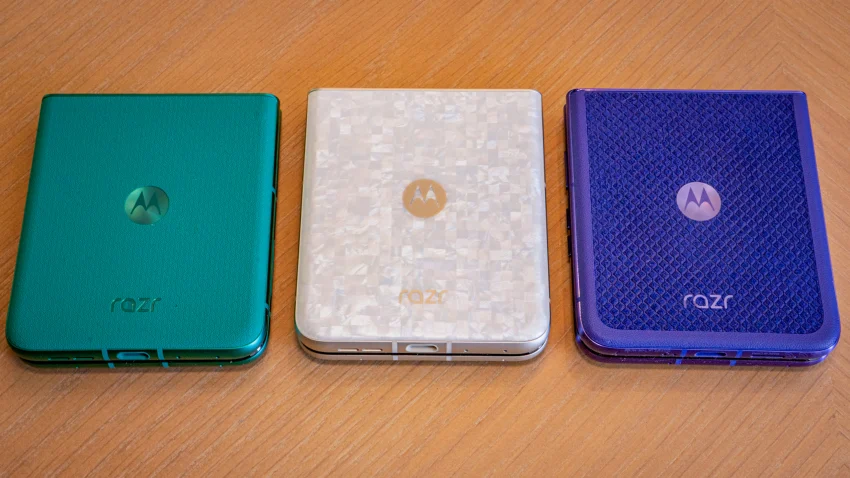
Motorola’s Big Strategy: More Choices, More Risk
Instead of focusing on a single flagship foldable, Motorola is expanding its lineup to cover multiple price points and user types.
Here’s the breakdown:
- Razr ($799) – budget-friendly flip phone
- Razr+ ($1,099) – mid-range premium option
- Razr Ultra ($1,499) – high-end performance model
- Razr Fold ($1,899) – book-style foldable
On paper, it’s a smart move. More options mean more users can find something that fits their needs and budget.
But it also creates a challenge: can Motorola maintain quality and consistency across all these devices?
Razr (2026): Affordable, Stylish, and Surprisingly Fun
Let’s start with the base model.
The standard Razr is clearly designed for users who want to try foldables without spending a fortune. It’s not packed with flagship specs, but it gets the job done.
What stands out:
- 3.6-inch outer display
- 6.9-inch inner screen
- MediaTek Dimensity processor
- 8GB RAM
- 128GB storage
Performance-wise, it’s not groundbreaking—but it’s usable and smooth enough for everyday tasks.
Where this phone really shines is design.
Motorola leans heavily into color and texture, offering finishes that feel unique compared to the typical glass-backed phones we’re used to. These materials not only look good but also improve grip, which is a nice bonus.
This is a phone aimed at style-conscious users who want something different—and in that sense, it works.
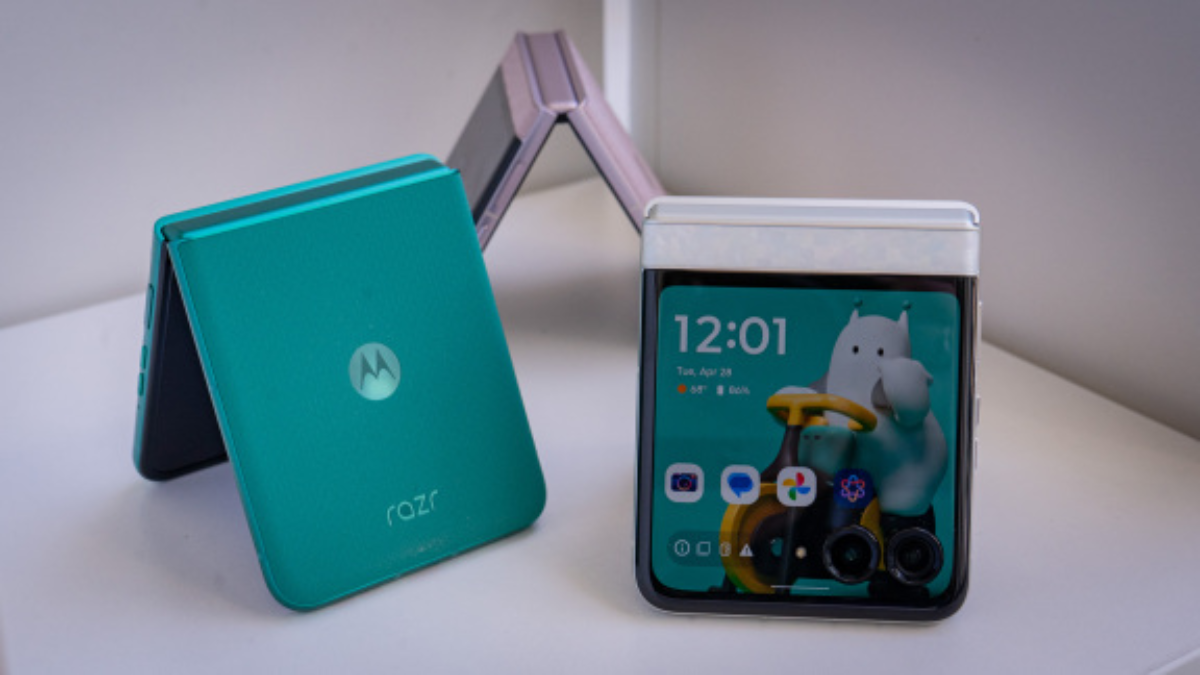
Razr+: A Premium Feel… With a Small Catch
The Razr+ sits in the middle of the lineup and tries to strike a balance between performance and price.
Key upgrades:
- Larger 4-inch outer display
- Snapdragon 8s Gen 3 processor
- 12GB RAM
- 256GB storage
- 4,500mAh battery
On paper, this looks like a solid upgrade—and in many ways, it is.
Battery life is improved, performance is stronger, and the overall experience feels more premium.
However, there’s one unexpected issue:
it’s harder to open.
The slightly thicker design makes it difficult to flip open with one hand. It’s a small detail, but in daily use, it becomes noticeable.
Foldables are supposed to feel effortless—and this one doesn’t always deliver that.
Razr Ultra: Powerful, Eye-Catching, and Slightly Over-the-Top
If the Razr is about accessibility and the Razr+ is about balance, the Razr Ultra is all about going big.
This is Motorola’s attempt to create a true flagship foldable—and it shows.
Highlights:
- Snapdragon 8 Elite processor
- 16GB RAM
- 512GB storage
- 7-inch inner display
- 5,000mAh battery
- 68W fast charging
These specs put it firmly in high-end territory.
But what really grabs attention is the design.
The Ultra comes in bold finishes like Alcantara-style materials and wood textures. It’s visually striking and definitely stands out—but there are concerns about durability.
During early hands-on impressions, the textured back:
- attracts dust
- may wear over time
It looks amazing—but long-term practicality remains a question.
Razr Fold: Motorola’s First Real Challenge to Samsung
The Razr Fold is Motorola’s first serious attempt at a book-style foldable—and it’s clearly aimed at devices like the Samsung Galaxy Z Fold 7 and Pixel Fold series.
What makes it impressive:
- massive 6,000mAh battery
- 80W fast charging
- advanced camera system with up to 100x zoom
- improved low-light performance
On paper, it looks like a powerhouse.
But in practice, there are signs that this is still a first-generation effort.
Concerns:
- hinge doesn’t sit completely flush
- noticeable crease
- bulky camera bump
- slightly stiff folding mechanism
These aren’t dealbreakers—but they highlight that Motorola is still catching up in this category.
Hardware vs Software: Where Things Get Tricky
Motorola clearly excels in hardware design.
The phones:
- look unique
- feel premium
- offer competitive specs
But software is where things get less certain.
Motorola includes creative features like:
- tilt-to-zoom
- gesture-based controls
- camera tricks similar to Google’s AI features
While these ideas are interesting, they don’t always feel essential.
In some cases, traditional methods (like physical controls or simple gestures) still work better.
And compared to the software ecosystems of Samsung and Google, Motorola’s experience can feel less polished.
Design Consistency: A Surprisingly Strong Point
One thing Motorola gets absolutely right is consistency.
Across all Razr models:
- the width is the same
- the design language is unified
- the overall aesthetic feels cohesive
This creates a strong identity for the lineup.
No matter which model you choose, it feels like part of the same family—and that’s something many brands struggle to achieve.
Who Are These Phones For?
Motorola’s approach is clearly about variety.
- Razr → casual users, budget-conscious buyers
- Razr+ → everyday users who want more power
- Razr Ultra → enthusiasts and power users
- Razr Fold → professionals and multitaskers
This wide range gives Motorola an advantage—but also increases expectations.
The Competition Is Still Tough
Motorola is entering a space dominated by experienced players.
Devices like the Samsung Galaxy Z Fold 7 have had multiple generations to refine:
- hinge durability
- crease visibility
- software optimization
Meanwhile, Google focuses heavily on AI and camera performance.
Motorola’s challenge is not just to compete—but to catch up in areas where others already excel.
Final Verdict: Bold, Exciting… and a Bit Uneven
Motorola deserves credit for ambition.
Releasing four foldable devices at once is not just bold—it’s risky.
And while there’s a lot to like:
- strong hardware
- unique designs
- competitive specs
There are also clear inconsistencies:
- usability quirks
- software limitations
- first-gen issues in the Razr Fold
So where does that leave us?
Motorola isn’t just competing anymore—it’s experimenting, pushing boundaries, and trying to redefine what a foldable lineup can look like.
But it hasn’t perfected the formula just yet.
Conclusion
The new Motorola foldables are exciting, stylish, and full of potential.
They show that the foldable market is evolving—and that competition is heating up fast.
But they also prove that innovation comes with trade-offs.
If Motorola can refine its software and improve hardware consistency in future versions, it could become a serious leader in the foldable space.
For now, though, these devices feel like a bold step forward… with a few uneven edges.
FAQ (Frequently Asked Questions)
1. What is the cheapest Motorola foldable in 2026?
The standard Razr is the most affordable option, priced at around $799, making it one of the most accessible foldable phones available.
2. Which Motorola foldable has the best performance?
The Razr Ultra offers the best performance, thanks to its high-end processor, large RAM capacity, and premium hardware features.
3. Is the Motorola Razr Fold better than Samsung Galaxy Z Fold 7?
The Razr Fold competes closely but still shows some first-generation limitations, especially in hinge design and overall refinement compared to Samsung’s more mature foldable lineup.
4. Are Motorola foldable phones durable?
Motorola has improved durability, but foldables in general are still more delicate than traditional smartphones. Long-term durability depends on usage and care.
5. When will the new Motorola Razr phones be available?
The lineup is expected to launch in late May, with preorders starting earlier in the month.