
The Best Camera for Photography in 2026 – Tried and Tested Picks for Every Budget
2 weeks ago
Choosing the best camera for photography in 2026 has never been more exciting — or more overwhelming. With mirrorless technology now dominant, full-frame, APS-C, and Micro Four Thirds systems all offering compelling options, the decision depends on your budget, shooting style, and whether you prioritize resolution, speed, portability, or hybrid video capabilities.
After extensive real-world testing across hundreds of cameras over the past 15+ years, our team has identified the standouts that excel specifically for stills photography. While many modern cameras are built as versatile hybrids, the models below shine brightest when capturing still images — whether you're shooting landscapes, portraits, wildlife, street, or sports.
Our top overall pick is the Sony A7 V, which delivers an outstanding balance of 33MP resolution, rapid autofocus, impressive battery life, and excellent handling. However, other cameras may suit your specific needs better, such as the Canon EOS R10 for beginners, the Sony A1 II for professionals, the Fujifilm X-T5 for APS-C enthusiasts, or the OM System OM-1 II for Micro Four Thirds users who value portability and computational photography.
This guide includes full write-ups for each recommendation, based on rigorous field testing. We evaluate image quality, autofocus performance, handling, battery life, and value for money. Every camera listed has proven itself in real shooting scenarios, from portraits and landscapes to fast action.
Whether you're a beginner buying your first serious camera, an enthusiast upgrading your kit, or a professional seeking the ultimate tool, you'll find a trustworthy recommendation here. We've also included relevant runners-up for each category to help you make the best choice for your budget and needs.
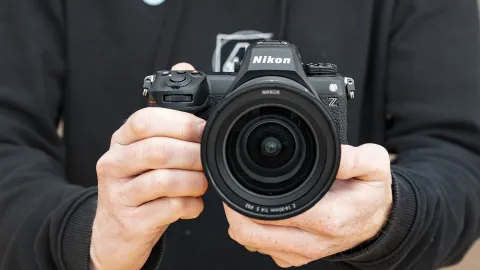
Best Full-Frame Hybrid Overall – Sony A7 V
Why the Sony A7 V Stands Out The Sony A7 V is our top pick for most photographers in 2026. It combines a high-resolution 33MP full-frame sensor with impressive speed, excellent autofocus, and class-leading battery life.
Key Strengths
- 33MP full-frame sensor with up to 15EV dynamic range
- Impressive battery life that outshines most rivals
- Rapid and reliable subject-detection autofocus
- Great low-light performance
- 30fps burst shooting with no blackout
Real-World Performance In testing, the A7 V handled a wide range of subjects with ease — from portraits and landscapes to fast-moving wildlife and sports. The AI autofocus system tracks eyes, animals, vehicles, and more with high accuracy. The partially stacked sensor enables fast readout speeds, reducing rolling shutter and allowing high-speed shooting without significant blackout.
The vari-angle 3.2-inch touchscreen with 2.1m-dot resolution is excellent for composing from awkward angles. While the EVF feels slightly dated compared to some rivals, the overall handling and ergonomics are superb.
Who Should Buy It
- Photographers who shoot both stills and occasional video
- Users who need strong battery life for long shooting days
- Those who want a versatile all-rounder without excessive bulk
Potential Drawbacks
- Aggressive noise reduction in JPEGs
- Comparatively heavy with large lenses
- Video limited to 4K (no open-gate recording)
Top Alternatives
- Canon EOS R6 Mark III – Excellent all-rounder with strong video capabilities
- Nikon Z6 III – Superb value with 24MP sensor and impressive 6K video
Best Camera for Beginners – Canon EOS R10
Why the Canon EOS R10 Wins for Newcomers The Canon EOS R10 strikes the perfect balance between ease of use, performance, and affordability for beginners.
Key Strengths
- Compact and lightweight design with excellent grip
- Modern subject-tracking autofocus that performs remarkably well
- Fast 15fps mechanical / 25fps electronic burst shooting
- Intuitive controls and helpful guided interface
Real-World Performance During testing on moving subjects like pets, wildlife, and sports, the R10’s autofocus consistently found and tracked eyes with impressive accuracy. The burst speeds make it surprisingly capable for action photography at this price point.
The camera feels well-balanced in the hand, even with various RF lenses attached. Its 24.2MP APS-C sensor delivers good image quality with pleasing colors straight out of camera.
Who Should Buy It
- First-time mirrorless buyers
- Users upgrading from smartphones or basic compacts
- Photographers who shoot a mix of subjects, including occasional action
Potential Drawbacks
- No in-body image stabilization
- Crop on 4K/60p video
- Limited native RF-S lenses (though full-frame RF lenses work well)
Top Alternatives
- Nikon Z50 II – Strong all-rounder with excellent ergonomics
- Sony A6100 – Older but still capable entry-level option
Best Pro Camera for Stills – Sony A1 II
Why the Sony A1 II Excels for Professionals The Sony A1 II offers an exceptional mix of resolution, speed, and reliability that makes it one of the most capable professional stills cameras available.
Key Strengths
- 50.1MP stacked sensor with excellent dynamic range
- Amazing subject-detection autofocus with new Auto mode
- Superb build quality and handling
- Impressive 30fps burst shooting with high resolution
Real-World Performance In testing, the A1 II handled virtually any photographic discipline with professional-grade results. The combination of high resolution and speed allows for heavy cropping while maintaining detail — ideal for wildlife, sports, and editorial work.
The improved grip, better stabilization, and refined controls make it comfortable for long shooting days. Image quality is outstanding across a wide range of scenarios.
Who Should Buy It
- Professional photographers who need one camera that does everything well
- Users who shoot a mix of subjects and require both speed and detail
- Those who want the best possible stills performance from Sony
Potential Drawbacks
- High price tag
- Can feel small with very large lenses (optional grip recommended)
Top Alternatives
- Canon EOS R5 Mark II – Strong competitor with excellent video capabilities
- Nikon Z8 – Superb all-rounder with 45MP resolution
Best APS-C Camera for Enthusiasts – Fujifilm X-T5
Why the Fujifilm X-T5 Stands Out The Fujifilm X-T5 delivers class-leading detail from its 40.2MP APS-C sensor while offering the enjoyable retro handling that Fujifilm is famous for.
Key Strengths
- Impressive 40.2MP resolution for outstanding detail
- In-body image stabilization for sharper handheld shots
- Beautiful Film Simulation color profiles
- Lovely retro design with physical controls
Real-World Performance The X-T5 produces some of the most detailed images available from an APS-C sensor. The combination of high resolution and Fujifilm’s color science results in beautiful JPEGs straight out of camera. The IBIS system helps achieve sharp shots even at slower shutter speeds.
Who Should Buy It
- Enthusiasts who prioritize image quality and enjoy shooting with dials
- Photographers who love Fujifilm’s Film Simulations
- Users who want excellent stills performance in a compact body
Potential Drawbacks
- Autofocus not quite as advanced as some full-frame rivals
- Lower resolution than full-frame options in low light
Top Alternatives
- Sony A6700 – Excellent autofocus and battery life
- Canon EOS R7 – Fast burst shooting and strong action performance
Best Micro Four Thirds Camera for Enthusiasts – OM System OM-1 II
Why the OM System OM-1 II Excels The OM-1 II offers a compelling alternative for photographers who value portability, computational features, and fun shooting experiences.
Key Strengths
- Stacked sensor for improved performance
- Impressive in-body stabilization
- Unique computational photography modes
- Compact, weather-sealed body
Real-World Performance The OM-1 II performs exceptionally well for wildlife and action photography. Its subject detection and burst capabilities make it a strong tool for capturing fast-moving subjects. The computational modes (like Live ND and High Res Shot) provide creative options not easily available on other systems.
Who Should Buy It
- Photographers who want a lightweight yet capable system
- Users who enjoy computational photography features
- Wildlife and travel photographers who value portability
Potential Drawbacks
- 20MP resolution is modest by 2026 standards
- Low-light performance not as strong as full-frame rivals
Top Alternatives
- Panasonic Lumix G9 II – Strong video capabilities and good stills performance
- OM System OM-3 – Style-focused version with similar core specs
Best Premium Compact – Fujifilm X100VI
Why the Fujifilm X100VI Is the Best Premium Compact The X100VI combines retro charm, excellent image quality, and a unique hybrid viewfinder in a pocketable package.
Key Strengths
- 40.2MP sensor for outstanding detail
- In-body stabilization (first for the X100 series)
- Beautiful Film Simulation profiles
- Hybrid optical/electronic viewfinder
Real-World Performance The X100VI delivers superb stills with Fujifilm’s signature color science. The fixed 23mm f/2 lens (35mm equivalent) is versatile for street, travel, and everyday photography. The hybrid viewfinder remains a joy to use.
Who Should Buy It
- Street and travel photographers who want a compact, stylish camera
- Users who enjoy the tactile experience of physical controls
- Photographers who appreciate Fujifilm’s unique color rendering
Potential Drawbacks
- Fixed lens limits flexibility
- Higher price than previous X100 models
- Single card slot and weather sealing requires adapter
Top Alternatives
- Leica Q3 – Full-frame sensor but significantly more expensive
- Ricoh GR IV – Truly pocketable but more limited feature set
Best Value Camera for Photography – Olympus OM-D E-M10 Mark IV
Why the OM-D E-M10 Mark IV Offers Great Value This compact Micro Four Thirds camera delivers impressive features at an accessible price point.
Key Strengths
- Excellent five-axis in-body stabilization
- Flip-down touchscreen for vlogging and low-angle shooting
- Compact and lightweight design
- Good image quality with pleasing colors
Real-World Performance The E-M10 Mark IV produces images with good dynamic range and pleasing colors. Its stabilization system allows sharp handheld shots at surprisingly slow shutter speeds. The camera is approachable for beginners while offering enough control for enthusiasts.
Who Should Buy It
- Beginners or enthusiasts wanting a capable yet affordable camera
- Users who value portability and stabilization
- Photographers who shoot a mix of subjects
Potential Drawbacks
- No microphone input for serious video
- No USB-C port
- Video capped at 4K/30p
Top Alternatives
- Canon EOS R100 – Affordable entry into the RF system
- Other budget mirrorless options from Sony and Nikon
Best Pro Hybrid for Sports and Wildlife – Nikon Z9
Why the Nikon Z9 Excels for Action Photography The Nikon Z9 is a powerhouse designed for professionals who need speed, reliability, and high resolution.
Key Strengths
- 45.7MP stacked sensor with excellent dynamic range
- Blazing-fast burst shooting (up to 30fps raw, 120fps JPEG)
- Reliable subject tracking autofocus
- Exceptional build quality and battery life
Real-World Performance The Z9 handles demanding sports and wildlife scenarios with ease. The stacked sensor enables blackout-free shooting and minimal rolling shutter. Autofocus performance is class-leading for fast-moving subjects.
Who Should Buy It
- Professional sports and wildlife photographers
- Users who need a reliable, high-performance tool
- Photographers who shoot a mix of action and high-resolution work
Potential Drawbacks
- Large and heavy compared to some rivals
- High price point
- Flash sync limited to 1/200s
Top Alternatives
- Sony A9 III – Global shutter for ultimate speed
- Canon EOS R1 – Strong deep-learning autofocus features
In 2026, the best camera for photography depends on your specific needs, budget, and shooting style. The Sony A7 V stands out as the best overall choice for most photographers, offering an excellent balance of resolution, speed, and usability. However, other options may suit you better — from the beginner-friendly Canon EOS R10 to the pro-level Sony A1 II, the enthusiast-focused Fujifilm X-T5, or the compact OM System OM-1 II.
The key is matching the camera to your priorities:
- Resolution and detail → Sony A7 V or Fujifilm X-T5
- Speed and action → Nikon Z9 or Sony A1 II
- Portability and fun → OM System OM-1 II or Fujifilm X100VI
- Budget-friendly entry → Canon EOS R10 or Olympus OM-D E-M10 Mark IV
All the cameras recommended here have been thoroughly tested in real-world conditions and have proven their worth. Take time to consider your needs, budget, and preferred shooting style before making a decision.
Photography is about capturing moments and expressing creativity — the right camera simply helps you do that more effectively. Choose wisely, practice consistently, and enjoy the process of making great images.
Frequently Asked Questions (FAQ)
1. What is the best camera for photography in 2026?
The Sony A7 V is considered the best overall camera for most photographers in 2026 thanks to its balance of resolution, autofocus performance, and battery life.
2. Which camera is best for beginners?
The Canon EOS R10 is an excellent choice for beginners due to its user-friendly interface, fast autofocus, and affordable price.
3. What is the best professional camera for still photography?
The Sony A1 II is one of the top choices for professionals, offering a high-resolution sensor, fast burst shooting, and advanced autofocus.
4. Which camera is best for wildlife and sports photography?
The Nikon Z9 is ideal for wildlife and sports, with its fast burst rates, reliable tracking autofocus, and robust build quality.
5. What is the best APS-C camera for enthusiasts?
The Fujifilm X-T5 stands out with its high-resolution sensor, in-body stabilization, and excellent color science.
6. Are mirrorless cameras better than DSLRs in 2026?
Yes, mirrorless cameras have largely replaced DSLRs in 2026 due to their faster autofocus, lighter bodies, and advanced features like real-time subject tracking.
7. What is the best compact camera for travel and street photography?
The Fujifilm X100VI is a top choice for travel and street photography, offering excellent image quality in a small, stylish body.
8. Which camera offers the best value for money?
The Olympus OM-D E-M10 Mark IV provides great value with solid image quality, strong stabilization, and an affordable price.
9. What should I consider when choosing a camera?
You should consider your budget, photography style (portrait, landscape, sports, etc.), desired features (resolution, autofocus, video), and portability needs.
10. Is a higher megapixel camera always better?
Not necessarily. While higher megapixels offer more detail, factors like sensor size, lens quality, and image processing also play a crucial role in overall image quality.
Leave a Reply